


Home electrical systems have a wide range of components: conductors, connectors, circuit breakers, controls, relays, sockets, etc.
Excluding the conductors, all these elements have various types of electrical connections: terminals, sliding, interlocking, cantilever, etc.
The prolonged use of electrical services over time and the heating (even if slight) of all these components induced by the passage of current can lead, over time, to malfunctions in a home’s electrical system due to uncertain or imperfect contacts.
Then add the fact that most of the electrical controls are usually inserted in boxes embedded in the wall, so they can be affected by various types of humidity present in the masonry. Lastly there’s dust that creeps everywhere and can cause malfunctions, an aspect that should not be overlooked.
What to check in your home’s electrical system
Whenever you have a problem with an electrical service that doesn’t work, before calling an electrician you should make sure that the problem isn’t caused by a malfunctioning contact.
Of course, every check and even a minor intervention must only be carried out after having disconnected the system from the mains by disconnecting the main switch, and perhaps also the switch on the meter.
Please note that any work on your home’s electrical system that is more serious than a small, ordinary maintenance task must be carried out by a qualified professional, who can also provide a declaration of conformity of the system.
Sockets and wall switches
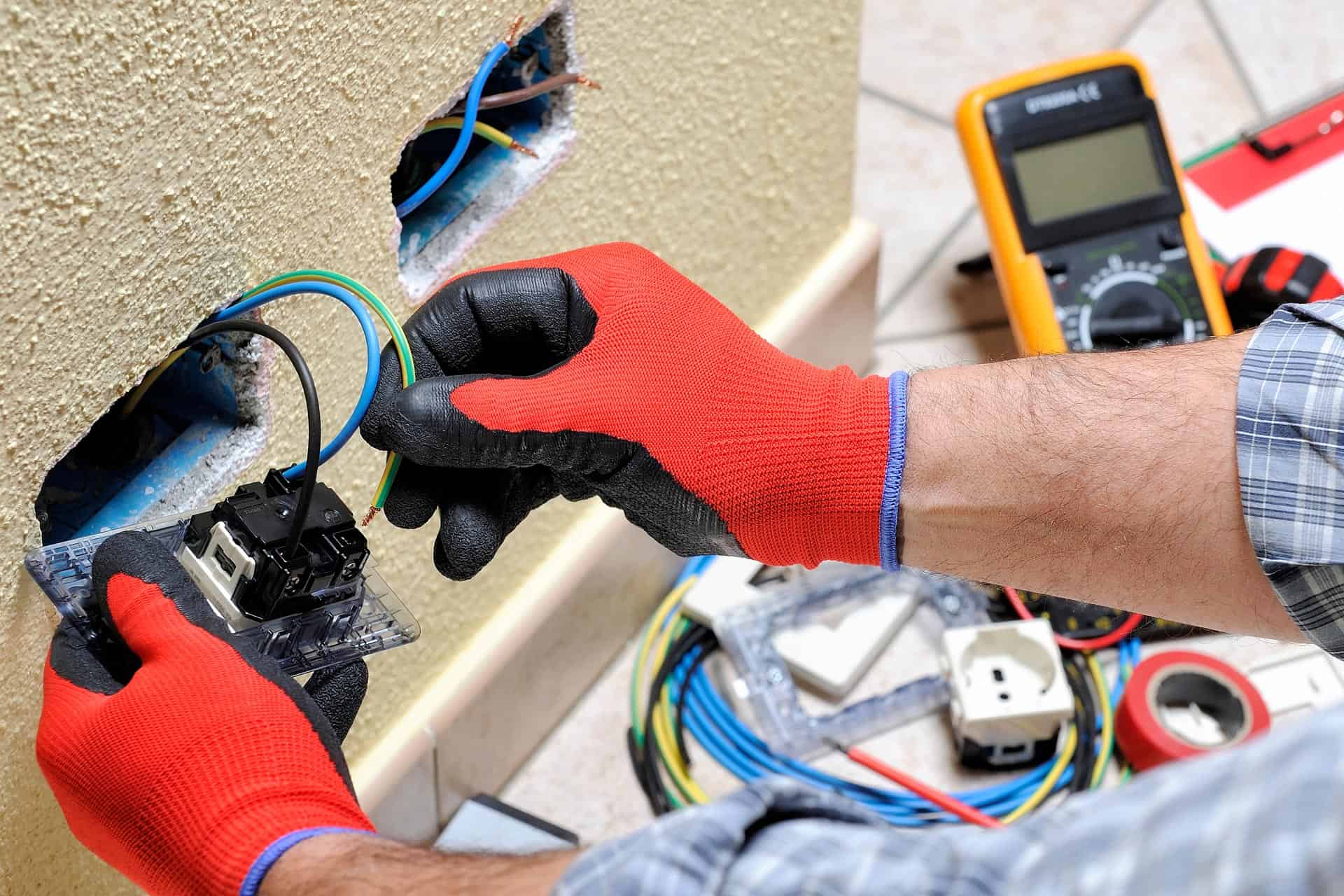
If a socket or switch (diverter, etc.) in your home’s electrical system isn’t working properly, it needs to be dismantled and checked. Any disconnected cables must be reinserted and fixed in the relative terminal. If the switch is damaged it must be replaced.
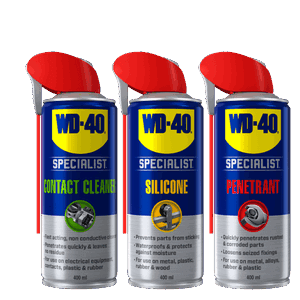
The terminals must be treated with a spray of WD-40 Specialist Fast Drying Contact Cleaner, which eliminates various types of residue and condensation on electrical or electronic equipment, including delicate materials. It quickly penetrates into the most difficult to reach areas, drying quickly and without leaving residues. It restores electrical conductivity, eliminating the danger of short circuits. Its non-conducting formula with rapid evaporation leaves no residue and is compatible with all metals, plastics and rubbers. This product is included in the practical Electrical Sector Kit which contains:
- WD-40 Multi-Use Product
- WD-40 Specialist Fast Drying Contact Cleaner
- WD-40 Gloves
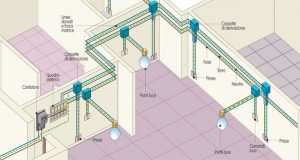
Home electrical system junction boxes
These boxes contain smaller or larger bunches of conductors connected together with capnuts. Here too, without even loosening the terminals of the caps, it’s best to apply a little bit of WD-40 Cleaner, which penetrates and cleans the contacts.
Main switches, circuit breakers, etc.
Although you can also use WD-40 on the electrical connections of these components, we recommend leaving this task to a trusted technician.
To follow all the news of WD-40 Africa, follow us on Facebook and Instagram !

