


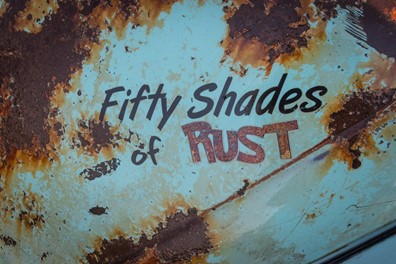
Corrosion is the process where metal is made to degrade by the presence of a number of oxidizing agents. A common example of this is rust. This is where iron oxides tend to form over metal due to the presence of moisture over the surface of metals.
This problem is faced by all homeowners and businesses with their cars, buildings, boats, aircraft, and every other metal object. This is why every business and homeowner should be enlightened about how to prevent corrosion. If you wish to find out the same, our article can help you learn some DIY processes that protect against corrosion right at home.

Protection Against Corrosion by Protecting the Metal Surface
Uniform corrosion tends to happen when corrosion occurs over a metal surface in a uniform fashion. This signifies that the entire surface of the object is under attack. An example of this can be seen in the case of an unprotected roof that is exposed to rain. The whole roof gets attacked by the same amount of rain and therefore, corrosion occurs at a uniform rate.
The easiest way to prevent uniform corrosion is to put in a protective barrier between the surface of the metal and all the corroding agents that are attacking it. The objects that prevent corrosion include electrochemical solutions, oil sealants, and even paint. In situations of immersion or underground corrosion, cathodic protection works like magic.
Protection Against Corrosion by Halting the Iron Flow from One Metal to the Other
Here we will talk about galvanic corrosion which occurs when two metals that have different potentials of electrodes and an extra presence of electrolytes is also available (such as salt water). Here you can prevent corrosion by forming a protective coating over both the metal objects. This will help them prevent all electrolytes.
Protection Against Corrosion by Avoiding Sources of Environmental Chloride
Pitting corrosion is when the protective passive layer of metal objects gets destroyed on a microscopic level. This tends to have large-scale consequences though because the structural integrities of these objects are compromised. As a result, galvanic corrosion starts to occur on these surfaces on a microscopic scale.
In order to prevent this, a protective layer of oil sealant or electrochemical solutions should be applied over the metal surface. You can even go ahead and use cathodic protection here alongside avoiding contact of these objects with an environment with high chlorides such as salt water.
Protection Against Corrosion with WD-40
This multi-use product has been known to be a great counter agent against rust and as a preventative measure as well. All you will have to do is soak the rusted item with WD-40 and then scrub over it using a wire brush.
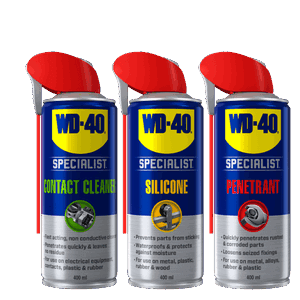
You can go ahead and test small areas of the rusted object in order to check whether WD-40 damages it. If you apply WD-40 regularly on surfaces that are prone to rust, you will never see the rust return. If normal WD-40 products don’t seem to work as efficiently as you imagined, then you can also get yourself the WD-40 Specialist Penetrant. This product has been specially designed to penetrate grime and rust so that they can be easily removed from any surface.
So now that you know how to remove rust, which of the above options is it going to be?
To follow all the news of WD-40 Africa, follow us on Facebook and Instagram !

